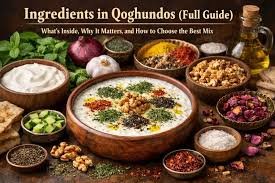
Have you ever heard of a dish that feels like a warm hug on a plate? That is exactly how I would describe Qoghundos. It is one of those wonderful, traditional meals that fills your kitchen with an amazing aroma and makes everyone ask, “What’s cooking?” If you are curious about trying something new or just love learning about food from different cultures, you are in the right place.
Today, we are going on a tasty adventure to explore the ingredients in qoghundos. We will look at everything that goes into this dish, from the hearty grains to the colorful vegetables and the secret spices that make it sing. My goal is to make this super easy to understand, like we are just chatting in the kitchen. By the time we are done, you will know exactly what makes this dish so special and maybe even feel inspired to try it yourself .
So, grab a cup of tea, get comfortable, and let’s dive into the wonderful world of Qoghundos. We will break down every component, talk about why quality matters, and even answer some common questions. Trust me, by the end of this, you will be an expert on the ingredients in qoghundos .
What Exactly is Qoghundos? A Dish with a Story
Before we start chopping and mixing, let’s take a moment to understand what Qoghundos really is. Think of it as a hearty, comforting dish that has its roots in Central Asian and Middle Eastern cuisine. It is the kind of food that has been passed down through generations, with every family adding their own little twist .
Depending on who is making it, Qoghundos can be a savory stew-like meal or sometimes more like a baked dish. It is built on a foundation of wholesome grains and loaded with vegetables, making it both filling and nutritious. The name itself might sound exotic, but the idea is simple: take good, honest ingredients and cook them slowly so the flavors become friends. Understanding the ingredients in qoghundos is the first step to appreciating why this dish has stood the test of time .
The Mighty Grains: The Heart of the Dish
When you start looking at the ingredients in qoghundos, you will notice that grains are the true stars of the show. They provide the body and the chewiness that make the dish so satisfying. Think of them as the foundation of a house—everything else builds on top of them.
Barley: The Chewy Champion
Barley is often a key player. It has a wonderful, chewy texture and a nutty flavor that just feels comforting. It is also great at soaking up all the delicious juices from the broth and vegetables .
Millet and Sorghum: The Ancient Grains
You might also find millet or sorghum in the mix. These are ancient grains that have been grown for thousands of years. They are tiny but mighty, adding a slightly sweet taste and a different texture that keeps your taste buds guessing. They are also known for being very good for you .
Wheat: For a Little Structure
Sometimes, cracked wheat or whole wheat berries are added. They help give the dish a bit more structure. When you chew on them, you get a little pop of flavor that is just delightful. These grains work together to make sure every bite of Qoghundos is interesting and full of texture .
A Rainbow of Vegetables: Where the Flavor Grows
Now, let’s talk about the veggies! The ingredients in qoghundos get really exciting here. This is where the dish gets its personality. We aren’t talking about boring, plain vegetables. We are talking about ones that add depth, sweetness, and a little bit of crunch.
Fennel and Kohlrabi: The Unsung Heroes
Have you ever cooked with fennel? It has a mild, licorice-like taste that isn’t too strong. It just adds a background note of sweetness. Then there is kohlrabi, which looks a bit like an alien spaceship but tastes like a sweet, mild broccoli stem. It adds a lovely crunch .
Purple Carrots and Celery Root: Earthy Goodness
Instead of regular orange carrots, you might find purple carrots in a traditional Qoghundos. They are earthier and sweeter. Celery root, also called celeriac, is another fantastic addition. It is a knobby root vegetable that adds a subtle, nutty, celery-like flavor that grounds the whole dish .
Leeks: The Gentle Onion
Leeks are like the sophisticated cousin of the onion. They add a mild, sweet oniony flavor without being too harsh. They melt into the dish as it cooks, adding a lovely savory note to the ingredients in qoghundos.
The Magic of Herbs and Spices: The Soul of Qoghundos
If the vegetables are the personality, then the herbs and spices are the soul of Qoghundos. This is where the dish gets its warmth and complexity. The right blend can transport you to another place .
Fenugreek and Sumac: Tangy and Bitter
Fenugreek leaves might sound unfamiliar, but they add a slightly bitter, nutty aroma that is hard to describe but you would miss if it weren’t there. Sumac is a deep red spice that adds a lemony, tangy kick. It brightens up all the other flavors without adding extra liquid .
Aleppo Pepper and Cumin: Warmth and Earth
For a gentle warmth, Aleppo pepper is often used. It gives a fruity, mild heat that builds slowly. Cumin is the earthy, warm spice that ties everything together. It is often used in this part of the world and feels like a cozy blanket for your food .
Dried Mint: The Fresh Finish
A sprinkle of dried mint might sound odd in a savory dish, but trust me, it works. It adds a pop of freshness that cuts through the richness of the grains and broth. It is the secret little detail that makes the ingredients in qoghundos feel complete .
Building the Broth: The Liquid Gold
You can’t have a stew-like dish without a great liquid base. The broth you choose will determine how moist and flavorful the final dish is. It is the medium that carries all the flavors from the spices and vegetables into the grains .
Bone Broth and Vegetable Stock
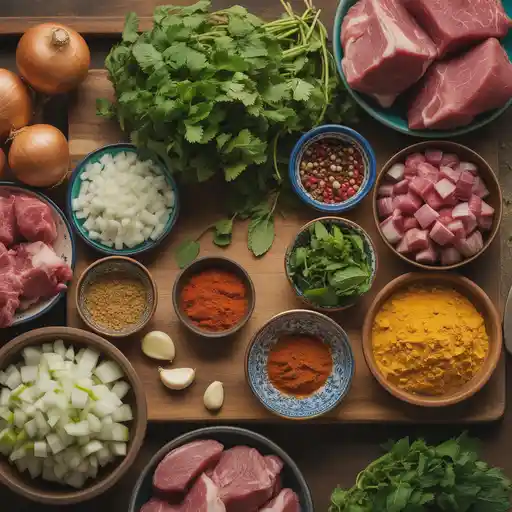
A rich, homemade bone broth is a fantastic choice. It adds collagen and a deep, meaty flavor (if you are not making a vegetarian version) that makes the dish incredibly satisfying. For a lighter taste, a good vegetable stock works wonders, letting the veggies and spices shine even brighter .
A Touch of Creaminess
Some variations of Qoghundos use a splash of coconut milk. This adds a subtle sweetness and a creamy texture that is absolutely divine. It pairs beautifully with the warm spices. The liquid you choose is just as important as any other item on the ingredients in qoghundos list .
Protein Power: Making It a Meal
To turn Qoghundos from a side dish into a main course, you often add a protein. This makes it more filling and adds another layer of texture .
Lamb and Beef: Traditional Choices
In many traditional recipes, you will find chunks of lamb or beef. These meats are great because they become incredibly tender when cooked slowly. They also release their own juices into the pot, making the broth even richer .
Poultry and Legumes: Lighter Options
For a lighter version, chicken is a great choice. If you are looking for a plant-based protein, you can’t go wrong with chickpeas or lentils. They add a firm, grainy texture and are little powerhouses of nutrition. Adding legumes is a common and delicious variation to the classic ingredients in qoghundos .
The Sweet Touch: Dried Fruits and Natural Sweeteners
Here is where Qoghundos gets a little surprise. Sometimes, a hint of sweetness is added to balance out the savory and spicy elements. This is a common trick in Middle Eastern cooking that creates a beautiful flavor profile .
Apricots and Raisins
You might find chunks of dried apricot or a handful of raisins mixed in. They plump up as they cook and release little bursts of sweetness. Apricots also bring a lovely dose of Vitamin A to the party .
Honey as a Sweetener
Instead of refined sugar, honey is sometimes drizzled in. It adds its own unique floral notes and brings antioxidants to the dish. This natural sweetness makes the ingredients in qoghundos feel both wholesome and indulgent at the same time .
Why Quality Matters: You Get What You Give
I always tell my friends: cooking with love starts with buying good food. The quality of your ingredients in qoghundos will directly affect how your dish turns out. It is a simple rule, but it is true .
Fresh, high-quality vegetables will have more flavor and a better texture. Good quality spices that haven’t been sitting in your cupboard for three years will be much more aromatic. If you use a cheap, mass-produced broth, your Qoghundos will taste flat. But if you take the time to find authentic, fresh components, your dish will sing. It is worth the extra effort to seek out the good stuff .
Where to Find These Treasures
So, where does a home cook find these amazing ingredients? You don’t need to travel around the world. Start by looking for local ethnic markets. A Middle Eastern or Asian grocery store is a goldmine for finding things like fresh fenugreek, real sumac, and Aleppo pepper at good prices .
Farmers’ markets are perfect for grabbing weird and wonderful vegetables like kohlrabi and purple carrots. For dried fruits and high-quality nuts, look for bulk bins so you can buy just what you need. And of course, there are many reputable online retailers who specialize in authentic spices and grains. Building your pantry with these ingredients in qoghundos is a fun journey in itself .
A Healthy Choice: The Benefits of Qoghundos
We have talked a lot about taste, but let’s be honest, we all want our food to be good for us, too. The good news is that the ingredients in qoghundos are packed with health benefits. This isn’t just comfort food; it is nourishing food .
The whole grains give you steady energy and fiber, which is great for your digestion. The variety of vegetables provides a ton of vitamins and antioxidants. Nuts and seeds add healthy fats and protein. Because it is built on whole foods and natural sweeteners like honey, it is a much better choice than processed snacks or meals. It is food that fuels your body right .
Get Creative: Variations You Can Try
One of the best things about cooking is making a recipe your own. The list of ingredients in qoghundos is more of a guideline than a strict rule. Feel free to experiment .
-
Make it Spicier: Add a chopped fresh chili or a extra pinch of Aleppo pepper.
-
Go Nutty: Toast some almonds or walnuts and sprinkle them on top before serving for a lovely crunch .
-
Swap the Grains: If you don’t have barley, try farro or brown rice. Quinoa would also make a delicious and high-protein version .
-
Add a Tangy Twist: A squeeze of fresh lemon juice right at the end can brighten up all the flavors.
Frequently Asked Questions About Qoghundos
1. Is Qoghundos difficult to make at home?
Not at all! While the list of ingredients in qoghundos might be long, the process is usually very simple. Most of the work is just chopping vegetables and letting everything simmer on the stove. It is a forgiving dish that is hard to mess up.
2. Can I make Qoghundos in a slow cooker or Instant Pot?
Absolutely. A slow cooker is perfect for developing the deep flavors of Qoghundos. Just sauté your aromatics first (if you can), then add everything else and let it cook on low for 6-8 hours. In an Instant Pot, use the sauté function first, then pressure cook on high for about 20-25 minutes.
3. Are the ingredients in qoghundos gluten-free?
It depends on the grains you use. Traditional recipes often include barley or wheat, which contain gluten. However, you can easily make it gluten-free by using only gluten-free grains like millet, sorghum, quinoa, or certified gluten-free oats .
4. How should I store leftovers?
Qoghundos tastes even better the next day after the flavors have melded together. Store it in an airtight container in the refrigerator for up to 4 days. You might need to add a splash of water or broth when you reheat it, as the grains will continue to absorb liquid.
5. Can I freeze Qoghundos?
Yes, this dish freezes wonderfully. Portion it out into freezer-safe containers, leaving a little space at the top for expansion. It should keep well for up to 3 months. Thaw it overnight in the fridge before reheating.
6. What do I serve with Qoghundos?
Qoghundos is a complete meal in a bowl, especially if you’ve added a protein. However, it pairs beautifully with a simple side salad with a lemony vinaigrette, some warm flatbread for scooping, or a dollop of cool yogurt or labneh on top.
Conclusion: Your Turn to Cook!
So, there you have it! We have taken a deep dive into the wonderful world of Qoghundos. We have explored the hearty grains, the colorful vegetables, the aromatic spices, and so much more. The ingredients in qoghundos tell a story of tradition, health, and incredible flavor. It is a dish that invites you to slow down, enjoy the process of cooking, and share something delicious with the people you love.